Last updated:
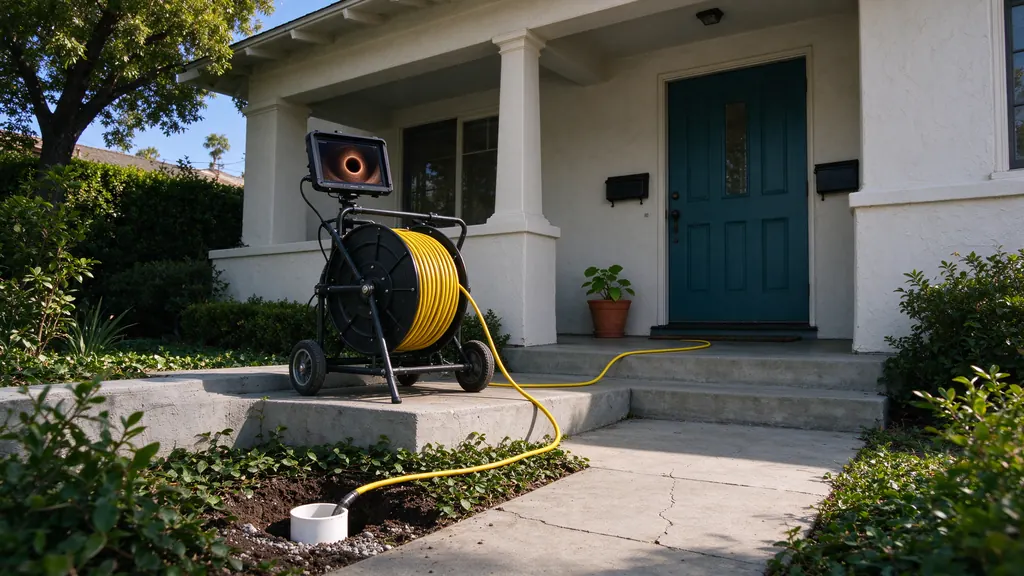
A sewer inspection when buying a house is a camera survey of the lateral, the private pipe that carries everything from the house to the City main, done during escrow so you know its condition before you are committed. In Los Angeles that matters more than in many places, because the buyer inherits the whole lateral, including the part under the street. Angeleno Sewer Line Repair arranges buyer’s scopes across Los Angeles, Pasadena, Glendale and Burbank, with findings written so buyers, sellers and agents can all work from the same video.
A standard home inspection does not do this. It looks at what is visible and may run the taps, and a lateral with roots at every joint can drain perfectly well on inspection day. The defects that matter, open joints, offsets, a sag that holds water, a section losing its shape, only show up on camera.
Why the lateral is worth checking in Los Angeles
LA Sanitation’s stated policy is that property owners are responsible for maintaining and repairing their entire lateral: the upper lateral from the building to the property line and the lower lateral from the property line to the main in the middle of the street. The City maintains only the main. If the lower lateral fails a year after you close, repairing it needs a Bureau of Engineering S-Permit and a City Bonded Sewer Contractor, and it is your bill. See sewer lateral repair under the street. StreetsLA’s policy adds that lateral repair costs tied to street trees, including root pruning, are the owner’s as well.
In older neighborhoods, a house may still run on its original clay or cast iron lateral. Age is not a diagnosis; plenty of old clay lines film clean, and our guide to how long a sewer line lasts explains why. It is a reason to look, especially where a mature parkway tree sits near the line’s route.
We have not found any point-of-sale sewer inspection requirement in the City of Los Angeles or other Los Angeles County cities. Nobody will make you scope the line. That is exactly why it is worth doing on your own initiative.
Timing inside escrow
The scope belongs inside your inspection contingency period, early enough that a bad result leaves time to get repair bids and negotiate. The video exists as soon as the camera is out of the line, but bids for any repair take longer, and a defect under the street may need a contractor who works in the right-of-way to look at the video and price it. Book the scope in the first days of the contingency, not the last.
If the general home inspector notices slow drains, a cleanout with water in it, or signs of past backups, that is a reason to move the scope up rather than treat it as optional.
Access and permission
The house is still the seller’s, so the scope needs the seller’s permission, normally arranged agent to agent. Three things make the visit work:
- A cleanout the camera can use. Ask the listing agent where it is. If there is no cleanout, the camera may need to go in by pulling a toilet or through a roof vent, both of which need the seller’s specific consent.
- Water use paused. An occupied house should not be running laundry or a dishwasher during the inspection.
- Someone present who can let the technician into the yard, garage or crawlspace if the line runs under the house.
You or your agent should attend if possible. Watching the camera travel the line, and seeing the address and footage counter at the start, removes any later question about whose pipe is on the video.
What to ask for
A scope done for a purchase should produce more than a pass or fail. Ask for:
- The full video file, with the property address at the start and an unbroken footage counter
- Pipe material and diameter for each section, and where they change
- Every observation listed by footage: roots, cracks, offsets, scale, standing water, deformation
- Located positions and estimated depths for defects that may need repair, and which side of the property line each is on
- Where the camera stopped, and whether it reached the City main
- Whether the line was cleared before filming, and what was found
- Recommendations written separately from observations
If the camera stopped well short of the main, the report should say why, and you should treat the unfilmed section as unknown rather than sound. The camera inspection page covers how the run and the locating work.
Reading the findings
When the City grades lateral video for its own permits, it uses four levels: Excellent and Fair, where no repair is recommended; Poor, with moderate cracks, offsets or extensive roots, where repair is recommended; and Very Poor, with major cracks, offsets or collapse, where repair is required. A private buyer’s report will not carry a City grade, but the scale is a fair guide to what counts as serious.
In practice, findings sort into three groups. Some are maintenance: light roots at one joint, or a small amount of debris, which a cleaning addresses. Some are a defined repair: one cracked or offset section in otherwise sound pipe, which points to a spot repair. And some point to the whole line: roots at joint after joint, several offsets, a long sag, or pipe losing its shape, which leads toward lining, bursting or replacement. A sag deserves particular attention, because lining follows the shape of the old pipe and will not correct lost slope; that usually means excavation. Our guide to reading a sewer inspection report goes through common findings.
Repair, credit or walk away
A bad scope does not end a purchase. It opens a negotiation, and the usual options are these.
Ask the seller to repair before closing. This keeps the work off your budget, but you do not control who does it or how. If you go this way, ask for the permit to be finaled by the City before closing, for a post-repair video of the full lateral, and for the method and scope in writing. A repair that clears the line without fixing it is not a repair.
Ask for a credit or price reduction. This lets you choose the contractor and method after closing. A credit is easiest to justify, and hardest to argue down, when it rests on written bids for the specific defects on the video, naming method, footage, depth, restoration and permits. Lenders can restrict how seller credits are used, so confirm with your loan officer.
The guide to comparing sewer repair quotes lists what a usable bid contains.
Walk away. If the line needs replacement under the street and the seller will not move, cancelling within the contingency may be the right call. Your agent and your purchase agreement set what you can do and by when.
For orientation, typical budgeting ranges for Los Angeles-area projects as of October 2026 are $175–$800 for a camera inspection, $1,500–$8,000 for a spot repair of one section, $6,000–$15,000 to line a lateral of about 50 feet, and $5,000 to $25,000 or more for open-trench replacement. Those are not quotes or company rates, and they are not a substitute for bids on the actual defects; street work, depth and hardscape move them a long way. The repair vs replacement guide helps weigh the options.
After you close
Keep the video and report with the house records. If you bought with a known defect, plan the repair rather than waiting for the backup. In the City of Los Angeles, LA Sanitation’s rebates, up to $300 toward a camera inspection and up to $2,500 toward a permitted repair, are open to owners who pay the City sewer service charge, first come, first served while funds last. The repair rebate requires a City-finaled permit and an itemized invoice from a licensed and bonded sewer contractor. Repairs are performed by licensed, bonded and insured contractor partners, and anything under the street by a City Bonded Sewer Contractor under an S-Permit.
What the work includes
- Scheduling inside your contingency period, with access arranged through the agents
- A camera run from the cleanout toward the City main, with the address recorded at the start
- Footage, material and diameter for each section, including transitions under or beside the house
- Defects located on the surface with estimated depth, and whether each sits on private property or under the street
- A written report separating observations from recommendations, in language a buyer, seller and agent can share
- The full video file, not just still images
- Where repairs are indicated, written scopes that can support a repair request or a credit
Have a camera report, or a line that keeps backing up?
Phones answered 24/7, every day. Bring the video if you have one.
Related resources
Representative jobsite views
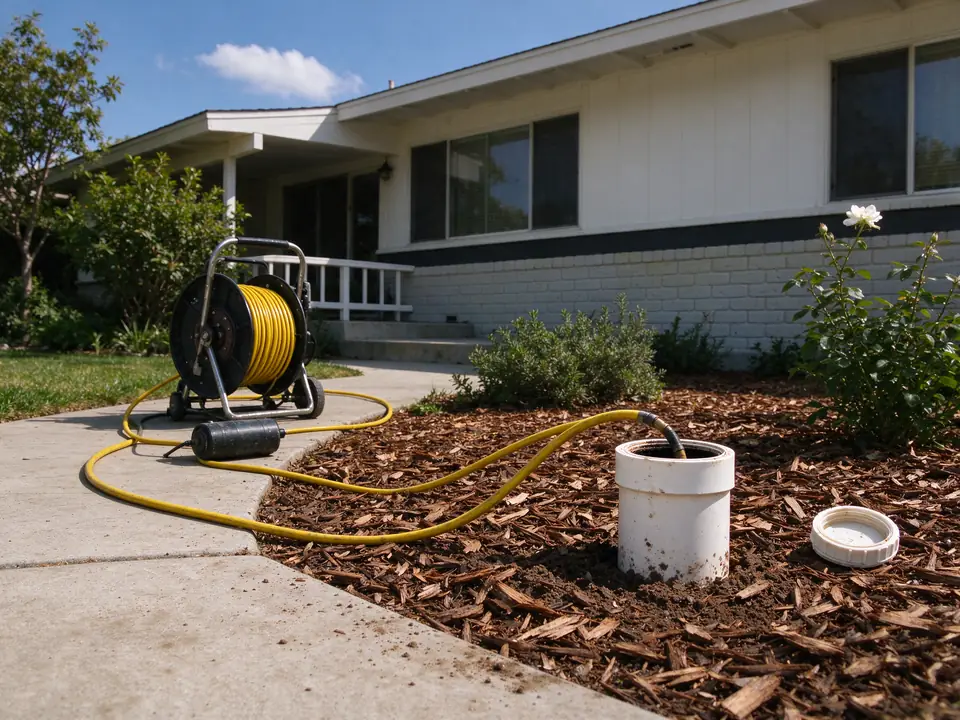
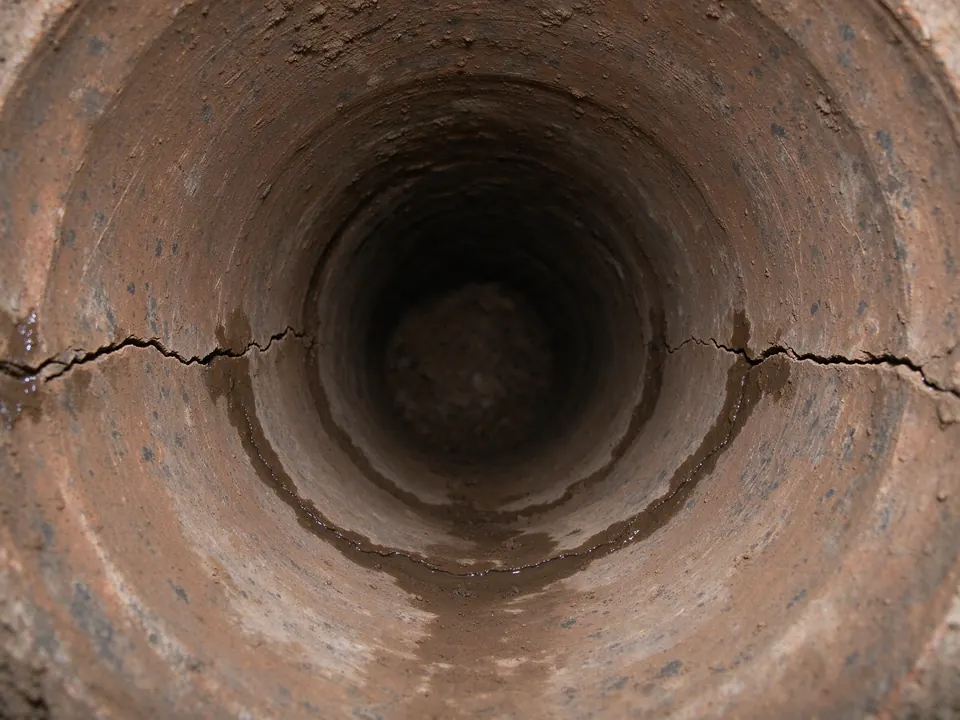
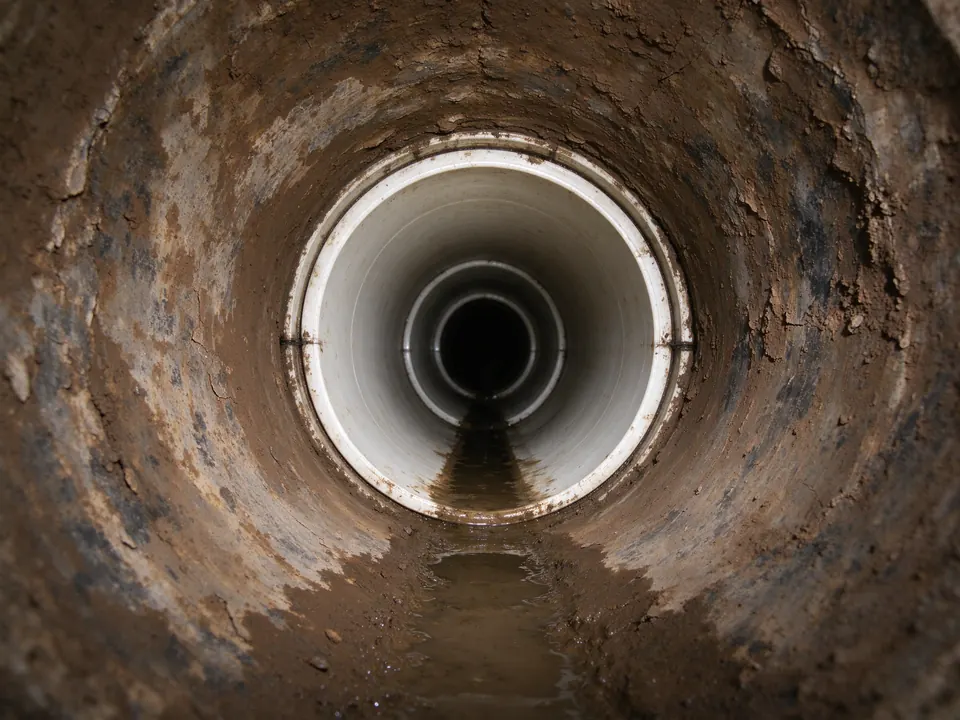
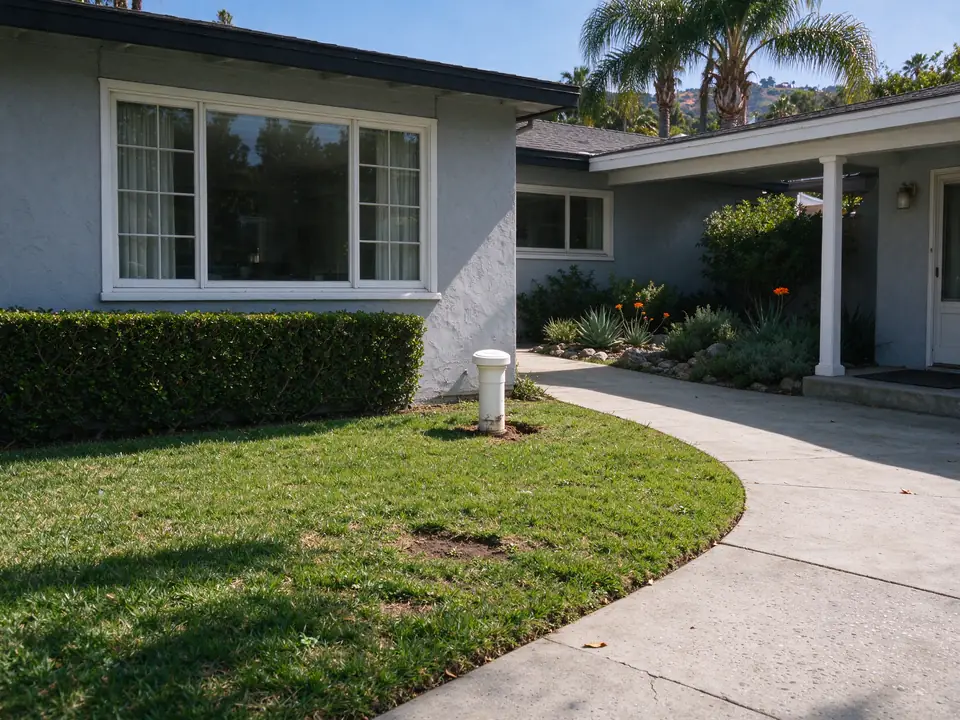
Representative illustrations of this kind of work, not photos of a specific job.
Questions people ask
Is a sewer inspection required when selling a house in Los Angeles?
We have found no point-of-sale sewer lateral inspection ordinance in the City of Los Angeles or other Los Angeles County cities. A buyer's sewer scope is optional, and it is usually arranged by the buyer during the inspection contingency period with the seller's permission.
Doesn't a regular home inspection cover the sewer line?
Usually not. A general home inspection looks at visible plumbing and may run water through fixtures, but it does not put a camera into the lateral. Roots, offsets, a sag or a broken section underground can all drain normally on inspection day.
How much of a credit should I ask for after a bad sewer scope?
Base it on written bids for the specific defects on the video, not on a general estimate. A bid that names the method, footage, depth, restoration and permits gives both sides a number to negotiate from. Lenders can limit how seller credits are applied, so check with your loan officer before agreeing to a figure.
The seller refuses to fix what the sewer scope found. What are my options?
You can accept the house as it is and plan the repair yourself, negotiate a lower price or a credit backed by bids, or cancel within your contingency if your contract allows it. Your agent can explain what your purchase agreement permits and by when.
Can I get the LA Sanitation $300 camera rebate for a pre-purchase scope?
LA Sanitation offers the CCTV rebate to property owners who pay the City sewer service charge, and the video must have been done within six months of applying. A buyer is not yet the owner during escrow. Ask LA Sanitation whether a scope done before closing can qualify for you once you own the property.