Last updated:
Sewer pipe lining, also called cured-in-place pipe or CIPP, rebuilds a lateral from the inside: a flexible tube soaked in resin is fed into the old pipe, pressed against its walls and cured until it hardens into a new, jointless pipe. Angeleno Sewer Line Repair lines laterals in Los Angeles, Pasadena, Glendale and Burbank when the camera shows the old pipe can carry a liner, and recommends something else when it cannot.
That condition is the whole story. A liner is only as straight, as round and as well graded as the pipe it is formed inside. It solves root intrusion, cracked joints and corrosion very well, and it does nothing for a sag or a collapse.
What the old pipe has to be
The existing pipe is called the host, and lining depends on it in three ways.
It has to be open. The liner is pushed or pulled through the full length, then inflated against the host wall. A caved-in section, a pipe crushed by a tree root or a heavy load, or a joint that has dropped far enough to close most of the opening will stop it. Those sections need to be dug out, or burst through, first.
It has to be mostly round and continuous. Liners tolerate cracks, missing pieces of wall and modest offsets, because the cured tube bridges them. A joint shifted by a large fraction of the pipe diameter, or Orangeburg fiber pipe that has flattened into an oval, can leave the liner wrinkled, thinned or unable to seat. How much offset is too much depends on the liner system and the bend, which is why the decision belongs to the cleaned-pipe video rather than to a rule of thumb.
It has to be on grade. A belly is a low section where the pipe has lost its slope and holds water. The liner conforms to that shape, so after lining the low spot is still there, just with a smoother wall. Some solids may move through it a little better, but standing water and the buildup it causes usually remain. Correcting slope means excavation of that section; the rest of the line can still be lined. See sewer line belly repair.
How a lateral is lined
Cleaning comes first, and it is most of the quality. Roots are cut out, grease and debris are jetted away, and cast iron is descaled until the wall is visible. A liner cured over a root mass or a ridge of scale locks that defect in place. After cleaning, the line is filmed again to confirm it is fit to line and to measure the length, diameter changes and bends.
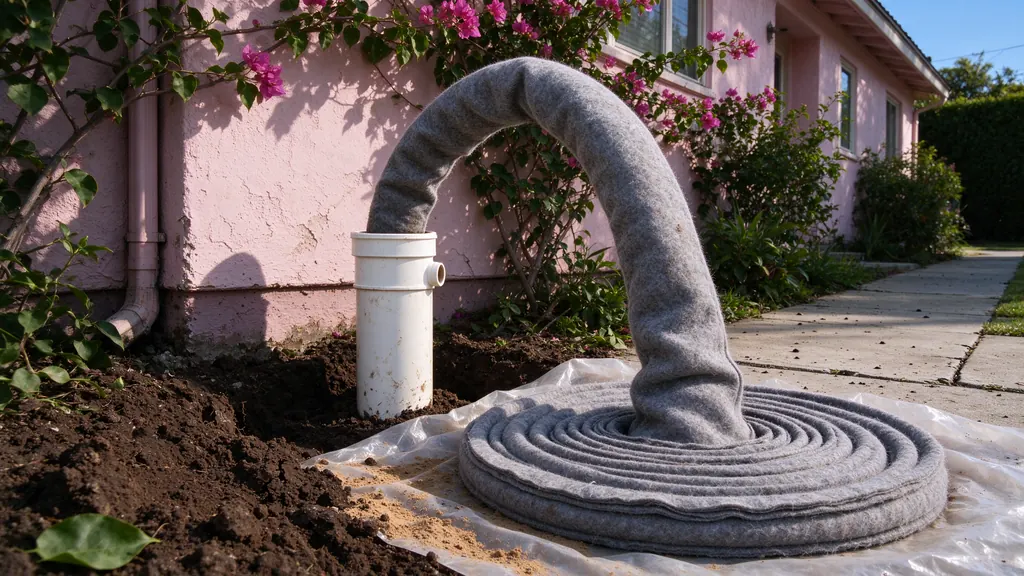
The liner is prepared to fit. A tube of felt or a similar fabric, sometimes reinforced with fiberglass, is cut to the measured length and saturated with resin, a step called wet-out. Many residential laterals use epoxy resin. The resin has a working time, so wet-out is timed to the installation.
It goes in by inversion or pull-in. In inversion, air or water pressure turns the tube inside out as it travels down the pipe, pressing the resin side against the host wall. In pull-in-place, the tube is pulled into position and an inflatable bladder inside it holds it against the wall. Either way, the tube stays under pressure until the resin cures.
Cure is controlled, not left to chance. Depending on the resin, cure happens at ambient temperature or is sped up with hot water, steam or, in some systems, ultraviolet light. Pressure and time during cure matter: too little and the liner can sag away from the wall or leave thin spots.
Reinstatement reopens what the liner covered. If another drain joins the lateral underground, such as a branch from a rear bathroom or an addition, the liner seals over that opening. A cutter run inside the line reopens it. The liner ends are trimmed at the cleanout and at the downstream end so they transition cleanly into the pipe that was not lined.
The finished pipe is filmed. Post-lining video should show a continuous liner with no wrinkles across the flow, no lifted ends and every branch open. That video goes with the permit record and with you.
Full-length lining or a sectional liner
Not every lining job covers the whole lateral.
A full-length liner runs from the cleanout to the end of the failed length, often to the property line or, with an S-Permit, to the connection at the main. It suits clay laterals with roots at joint after joint, or cast iron corroded along much of its length.
A sectional or point liner is a short liner, often a few feet long, carried to one defect on an inflatable packer and cured in place. It suits a single cracked joint or one root entry in a line that otherwise films well. It is the trenchless form of a spot repair, with the same honest test: if the rest of the line is close behind, a patch only moves the next failure a few feet.
The epoxy vs felt question
Homeowners often hear this framed as a choice, and it usually is not one. In cured-in-place lining, the felt or fabric tube is the carrier and the epoxy is the resin that saturates it and hardens. Most residential liners use both. The questions that actually separate one bid from another are which resin system, which tube, what finished wall thickness, what cure method and how the work will be documented.
Brush-on or sprayed epoxy coating is a different product. It applies a layer to the inside of a pipe rather than forming a new pipe within it, and it depends on the host pipe being structurally sound. If a bid says “epoxy,” ask which of the two it means.
Lining under the street
Los Angeles Sanitation makes the property owner responsible for the lateral from the building all the way to the main, including the lower section under the street. Lining that lower section is work in the public right-of-way, so it needs a Bureau of Engineering S-Permit, issued only to an active Bonded Sewer Contractor.
The Bureau’s general conditions add requirements specific to lining. Camera video is required before and after the work, and the City’s inspector determines whether lining is feasible for that pipe. Lining the street section avoids cutting the pavement for most of its length, but if a pit in the street is needed, the street damage restoration fee applies. The sewer permit guide covers the process, and street sewer lateral repair covers the section itself.
On private property in the City, lining a lateral needs an LADBS plumbing permit. Pasadena, Glendale and Burbank each have their own permit and inspection process.
What sewer pipe lining costs in Los Angeles
Typical budgeting ranges for Los Angeles-area projects, as of October 2026:
- Lining by length: $135–$250 per foot.
- A typical lateral of about 50 feet: $6,000–$15,000.
- A spot repair by excavation, for comparison: $1,500–$8,000.
Heavy root masses or scaled cast iron add cleaning time. A missing cleanout, an access pit at the far end, a dug section to fix a belly, branch reinstatements and any work in the street all add to the base. The trenchless cost guide breaks this down, and pipe bursting vs pipe lining compares the two trenchless methods on the same line. These are budgeting figures, not quotes or company rates.
Reading a lining bid
A clear bid names the footage to be lined and where it starts and stops, the cleaning method, the liner and resin system, the cure method, how many branch connections will be reinstated and whether pre- and post-lining video is included. If a bid offers lining without having filmed the cleaned line, or for a line the camera shows sagging, ask why. The inspection report guide helps with the video itself.
Lining is performed by licensed, bonded and insured contractor partners, with any work in the right-of-way done by a City of Los Angeles Bonded Sewer Contractor under the S-Permit.
What the work includes
- Camera inspection and measurement of the length, diameter and bends to be lined
- Cleaning to bare pipe: root cutting, jetting and descaling of cast iron as the line needs
- A pre-lining camera pass to confirm the pipe is fit to line
- Liner cut to length, resin wet-out, installation and controlled cure
- Reinstatement of branch connections and trimming of the liner ends
- Post-lining camera video, kept with the permit record
- A cleanout or access pit where the line has none, scoped separately when needed
Have a camera report, or a line that keeps backing up?
Phones answered 24/7, every day. Bring the video if you have one.
Related resources
- How Much Does Trenchless Sewer Repair Cost in Los Angeles?
- Pipe Bursting vs Pipe Lining: Which One Fits Your Sewer Line?
- How to Read a Sewer Inspection Report
- Sewer Line Repair vs Replacement: How to Decide
- How Long Does a Sewer Line Last?
- Sewer Lateral Repair Rebate in Los Angeles: Eligibility, Documents and Deadlines
Representative jobsite views
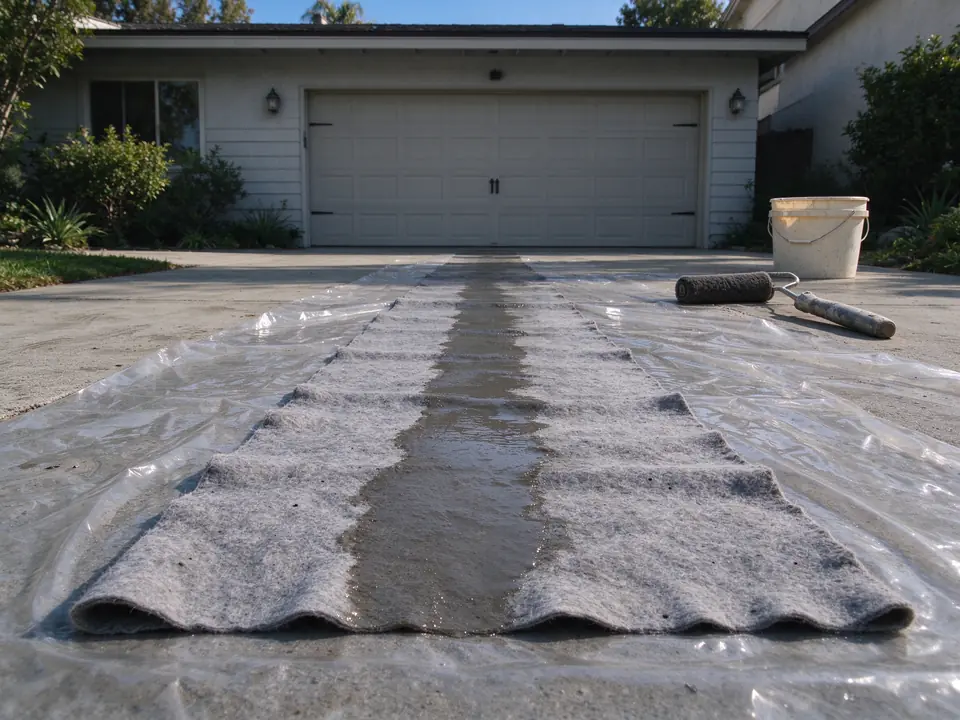
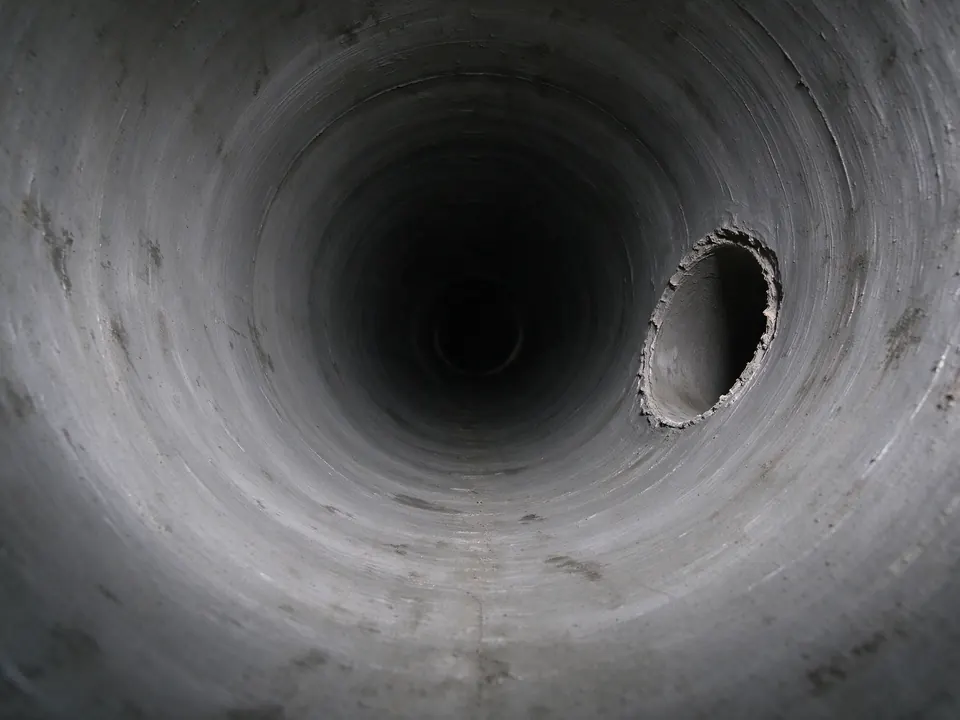
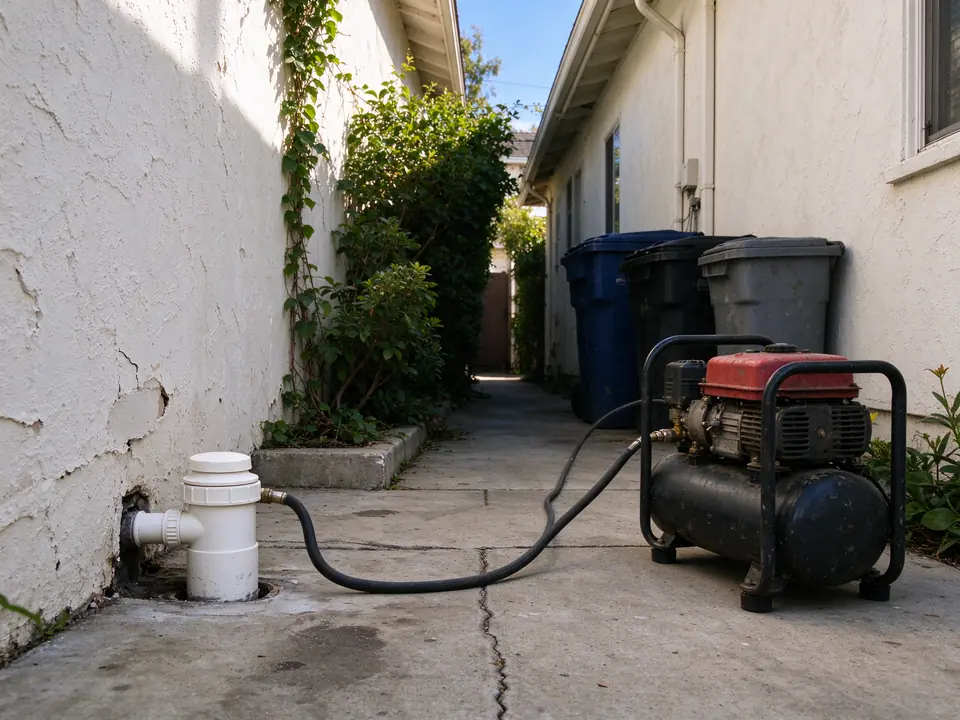
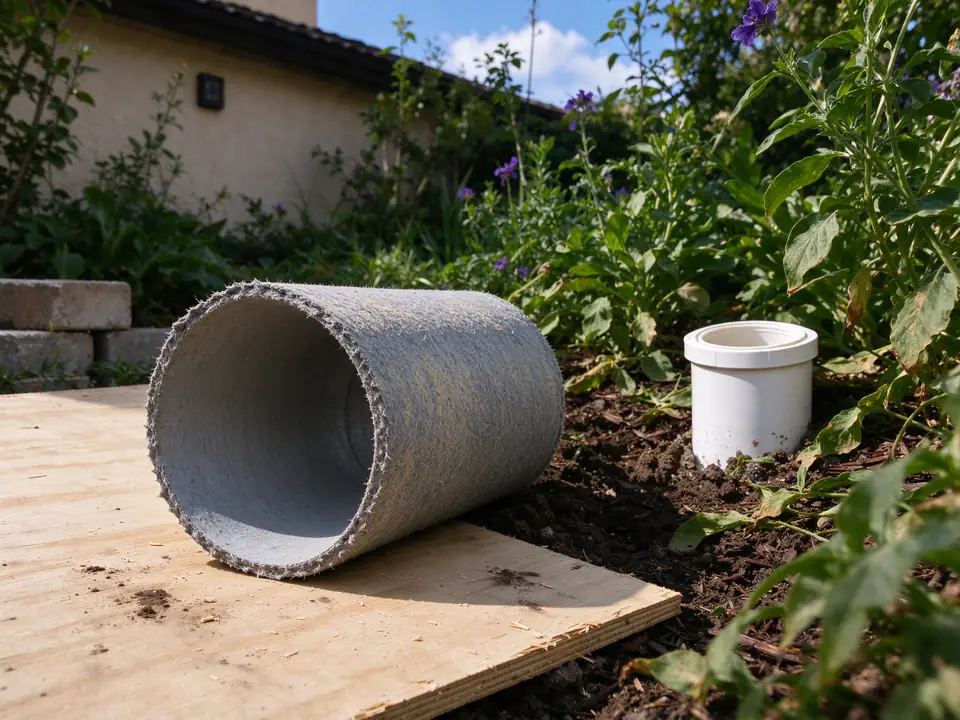
Representative illustrations of this kind of work, not photos of a specific job.
Questions people ask
Can every sewer line be lined?
No. The old pipe has to be open enough to pass the liner, mostly round, and free of collapsed sections. Severe offsets and flattened Orangeburg can block it, and a belly will be lined in its sagging shape. The cleaned pipe on camera, not the house's age or the pipe material alone, decides whether lining fits.
Is an epoxy liner or a felt liner better?
The question mixes two parts of the same system. In most residential CIPP, felt or a similar fabric is the carrier tube and epoxy is the resin that saturates it and hardens. Ask instead which resin, which tube, what wall thickness and what cure method a bid uses. Brush-on or spray epoxy coating is a separate product.
Will lining make my sewer pipe smaller?
Slightly. The liner wall takes up a few millimeters inside the old pipe, but the smooth, jointless surface usually carries flow at least as well as cracked clay or scaled cast iron. Where the line really needs more capacity, bursting to a larger pipe or replacement is the better route.
How long does a liner last?
There is no honest single number for a particular line. Service life depends on the resin and tube system, wall thickness, cure quality, what the host pipe is doing and how the line is used. Ask what product is specified, what standard it is installed to and what documentation you receive.
Who is responsible for lining the part of my lateral under the street?
In the City of Los Angeles, you are. The lower lateral from the property line to the main is the owner's to maintain, and lining it requires a Bureau of Engineering S-Permit issued to a City Bonded Sewer Contractor, camera video before and after, and the City inspector's determination that lining is feasible.